
Anima: Binaural Beats
ZEUS AI LimitedMusic & Audio
4.7402.00 Reviews
- Version
- 1.2.0(1)
- Installs
- 100.00K
- Age Rating
- Everyone
Screenshots
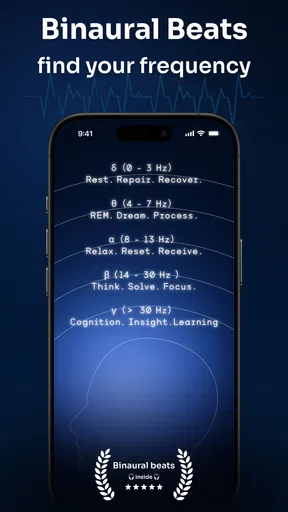
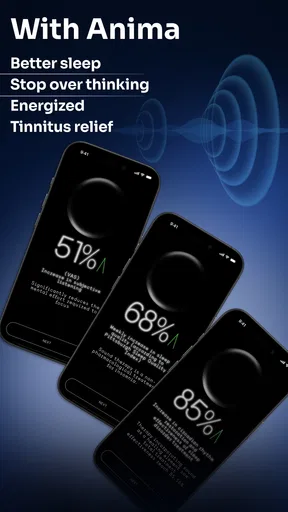
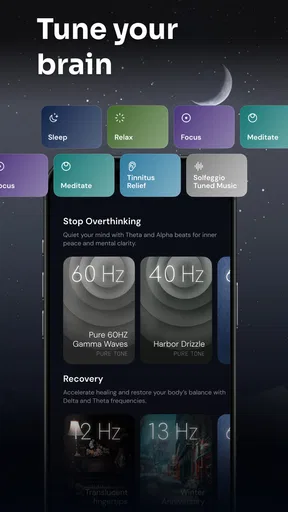
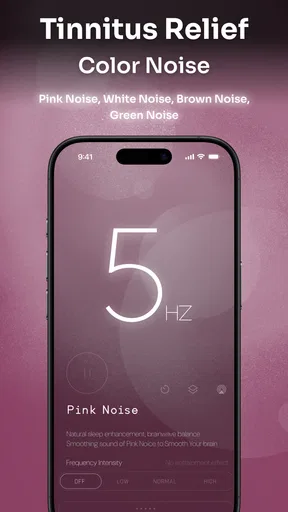
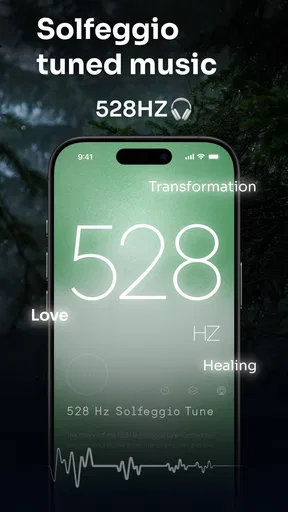
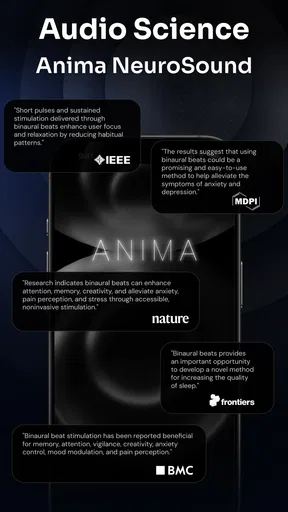
Our Review of Anima: Binaural Beats
 Analysis by Appyee
I spend a lot of time testing audio apps in situations where the phone is not the main event: settling into bed, trying to read in a noisy room, or looking for a calmer way to work through a stressful afternoon. Anima: Binaural Beats, a free Music & Audio app from ZEUS AI Limited, takes a focused approach. Its purpose is to use binaural-beat audio for sleep, concentration, stress relief and tinnitus relief, rather than trying to become a full music library or a general meditation platform.
That narrow purpose is both its appeal and its biggest limitation. I found the app easier to understand than many wellness apps because the intended listening use is clear, but it also asks you to accept a very specific kind of audio experience. You need headphones or earbuds for binaural beats to work as intended, and that immediately makes the app less convenient in some everyday situations. It is not something I would treat as a replacement for music, therapy or medical care. I see it as a simple listening tool that can fit into a routine when the conditions are right.
How Anima fits into real listening routines
I judge a listening app by what happens between deciding I need a quieter moment and actually settling into one. Here, the useful question is not just which goal I choose, but how comfortably the sound fits around headphones, surroundings, and the task I’m doing. That practical routine is a good starting point for looking at where Anima works—and where another kind of audio may suit me better.
A focused audio tool rather than a broad wellness platform
The first thing I noticed is that Anima is built around the idea of purposeful listening. Instead of asking me to browse artists, playlists or long spoken sessions, it points toward a few practical goals: deep sleep, focus, stress relief and tinnitus relief. That makes the app approachable if you already know why you want to try binaural beats. It is less suitable if you are looking for guided meditation, podcasts, nature recordings or a large catalogue of conventional music.
The wording around tinnitus relief deserves sensible expectations. I would not use any audio app as a diagnosis or treatment plan for a medical condition, and I would stop listening if a sound made symptoms worse. For someone who wants to experiment with a gentle background audio routine, the category may be worth exploring, but persistent or troubling tinnitus is a reason to speak with a qualified health professional rather than relying on an app.
In my experience, the most useful way to approach this kind of app is as a repeatable environment cue. A sleep-oriented session can mark the beginning of winding down, while a focus-oriented session can signal that it is time to put the phone aside and work. The sound itself is only part of the result. A dark room, a comfortable volume and fewer notifications often matter just as much.
What the mobile experience changes
Because this is a phone-based audio app, its usefulness depends heavily on where and how I use the device. At home, I can place the phone on a bedside table and listen through earbuds. At a desk, I can keep it nearby while working. In a shared space, headphones make the experience more private and prevent the sound from disturbing other people. Those are straightforward advantages, but they also show why the app is not equally convenient in every context.
I would be cautious about using earbuds while walking near traffic, cycling or doing anything that requires full awareness of surrounding sounds. The same applies to listening at a high volume simply to overcome background noise. Binaural beats do not need to be loud to be useful, and a lower, comfortable level is the more sensible starting point.
A realistic everyday scenario would be a late afternoon when I have finished several demanding tasks but still need to complete one more piece of work. Rather than opening social media during a short break, I can choose a focus-oriented listening session, put on headphones and leave the phone alone. The benefit is not a magical jump in productivity; it is the creation of a boundary between distraction and the next task. If I keep checking the screen, that advantage disappears quickly.
Why headphones are central to the experience
Binaural beats rely on slightly different tones being presented to each ear, so ordinary open-room playback is not the same as listening through separate left and right channels. This is an important practical detail for anyone downloading the app. If you dislike earbuds, cannot wear headphones comfortably in bed, or need to remain fully aware of your environment, the app may not fit your routine.
Comfort matters more than people sometimes expect. A session that sounds fine for a few minutes can become irritating if an earbud presses against your ear while you are lying on your side. For sleep, I would test the setup while awake first, keep the volume modest and avoid placing the phone somewhere that could become uncomfortable or unsafe during the night. For work, over-ear headphones may be more comfortable, but they can also make it harder to hear colleagues or alarms.
I also recommend treating the first few sessions as calibration rather than a test you must pass. Try one goal at a time and notice whether the sound helps you settle, distracts you or simply feels neutral. People react differently to repetitive tones. Anima may become useful through habit, but there is no reason to force a listening style that makes you tense.
Connectivity and the moments when it matters
The connection question is easy to overlook with audio apps. When I am at home on a reliable network, opening the app and beginning a session feels simple. The situation changes on public transport, in a building with weak reception or during a commute where connection quality comes and goes. Any part of the experience that depends on loading content can become less predictable in those places.
I would therefore prepare before leaving home instead of assuming that every listening session will start smoothly away from a stable connection. Open the app while connected, check that the intended content is available to play and avoid making it the only part of a carefully timed routine until you know how it behaves in your own locations. This is not a claim that the app offers offline listening; it is practical planning for a mobile service whose network behavior can affect the start of a session.
That distinction is especially important for sleep. If I am already tired, troubleshooting a connection at bedtime defeats the purpose of a calming routine. A better approach is to test the app earlier in the evening and keep a non-digital backup, such as quiet breathing or a familiar book, so the routine does not depend entirely on the phone.
Handling interruptions, weak signals and recovery
Mobile audio can be interrupted by incoming calls, system alerts, Bluetooth changes or a temporary loss of connectivity. The way I would use Anima is to make recovery easy: keep the phone charged, connect headphones before starting and silence unnecessary notifications. These small steps reduce the number of things that can break concentration or wake me up.
If playback stops, I would first check the obvious causes rather than repeatedly tapping the screen: confirm that the headphones are still connected, look at the phone’s audio output and check whether the network has changed. Restarting a session may be more practical than trying to recover the exact second where it stopped, particularly during a short focus period. For bedtime, I would avoid making the app responsible for an alarm or another essential function unless I had already tested how both behave together on my device.
Bluetooth adds another layer of friction. Wireless earbuds can disconnect when their battery is low or when the phone switches to another audio device. Wired headphones remove one possible failure point, although they are less comfortable for some people. My preference would depend on the situation: wired listening at a desk for reliability, and wireless listening in bed only after confirming that the connection remains stable.
Using it without wasting mobile data
Audio is usually less demanding than video, but data-conscious users should still avoid treating a cellular connection as an unlimited resource. I would begin sessions on Wi-Fi whenever possible, especially if I planned to listen repeatedly. Keeping the phone on a stable home network also reduces the chance that a weak signal will interrupt the sound just when I am trying to relax.
There is another kind of data efficiency that has nothing to do with megabytes: attention. An app designed to help me focus becomes less effective if I keep unlocking the phone to change options, inspect notifications or switch between sessions. I get more from it when I decide on the listening goal first, start the audio and place the device out of reach. This is one of the app’s less obvious trade-offs: the phone provides the sound, but the phone itself can also become the distraction.
I would also avoid running several audio apps at once. Switching between Anima, music and other background sounds can make it difficult to tell which environment is actually helping. A short comparison on separate days is more useful than layering everything together. That approach gives me a clearer sense of whether binaural audio is contributing anything beyond ordinary quiet or familiar music.
Where it compares well with ordinary alternatives
Compared with a standard music player, Anima is more deliberate. Music can be emotionally engaging, which is helpful for motivation but sometimes too stimulating for sleep or concentrated reading. Binaural-beat audio is usually less demanding of my attention, so it can serve as a neutral backdrop when lyrics or changing tracks pull me away from a task.
Compared with guided meditation apps, the experience is less instructional. There is no need to follow a narrator’s timing or repeat spoken exercises, which suits people who find voices distracting. On the other hand, someone who needs help with breathing, body awareness or a structured relaxation lesson may get more value from a guided app.
Compared with white noise or nature sounds, the difference is more personal than technical. Rain, fans and ambient recordings can mask outside noise and feel familiar. Anima’s appeal is the binaural approach and its goal-based listening, but that does not automatically make it better. If a steady fan sound helps me sleep and binaural tones keep me alert, the simpler option wins.
Who is likely to appreciate it
I think Anima is a good match for people who already enjoy headphone-based sound routines and want something more purposeful than a random playlist. It may also suit a student, remote worker or reader who wants a repeatable cue for concentration without spoken guidance. Someone experimenting with a calmer bedtime routine may appreciate its narrow focus as well.
The app is less convincing for people who want rich content variety, social features, detailed coaching or a conventional music catalogue. I would also skip it if I cannot use headphones comfortably, if I need to hear my surroundings continuously, or if repetitive tones make me uncomfortable. Those are not minor inconveniences; they affect the basic listening method.
Cost, access and the practical commitment
Anima is free to download, which makes trying the basic experience less of a commitment. The app is rated for Everyone, and its current version is 1.1.6(1), with Android support from version 8.0 onward. Its listing shows a 4.8 average from around 13 thousand ratings, while the app has passed 50 thousand installs. Those figures suggest that many people are interested in the concept, but they do not guarantee that the sound will suit me personally.
There are in-app purchases ranging from $7.99 to $129.99 per item. That wide range makes it important to understand what I am receiving before paying for anything. I would use the free access to establish a real habit first, then decide whether additional content or access is worth the cost. A high-priced option is difficult to justify if I only use the app once a week or cannot listen comfortably for more than a few minutes.
The developer is ZEUS AI Limited, and the app’s release date is Apr 2, 2026. Those details matter less to my daily listening than compatibility and stability, but they help place the product in context: this is a relatively new, focused tool rather than a long-established replacement for every kind of audio service.
My method for getting a fair test
I would test the app over several separate situations instead of judging it during one rushed session. First, I would listen while awake and relaxed, using comfortable headphones at a low volume. Next, I would try a short reading or desk-work period with notifications reduced. Only after that would I consider using it as part of a bedtime routine.
I would keep the goal consistent during each trial. If I change the audio, room, headphones and task at the same time, I cannot tell what made the experience better or worse. A simple note after each session—more settled, unchanged, distracted or uncomfortable—is enough. This is a more useful evaluation than assuming a particular beat must work because it is labeled for sleep or focus.
For connectivity, I would repeat one session on a dependable Wi-Fi network and another in the mobile location where I actually expect to use it. I would not infer that a smooth home session guarantees the same result on a commute. I would also test what happens after a brief interruption, because recovery matters more than perfect conditions when the app becomes part of a daily routine.
My final view on the connected listening experience
Anima: Binaural Beats is at its best when I treat it as a focused audio aid, not a cure-all. Its clear goals make it easier to try than a sprawling wellness platform, and its headphone-centered design can work well for private concentration or a quiet wind-down routine. The free entry point helps, although the in-app purchase range means I would be careful before committing money.
Connectivity shapes the experience more than the simple interface might suggest. A stable network, charged phone and dependable headphones can make the difference between a calm session and a frustrating one. I would prepare important sleep sessions in advance, avoid relying on it in safety-sensitive situations and keep a backup routine for moments when the phone or connection fails.
My recommendation is conditional but positive: try it if you are curious about binaural beats, already use headphones comfortably and want a low-distraction audio routine for focus, stress or sleep. Choose ordinary music, ambient sound or guided meditation instead if you need variety, spoken support or stronger control over the listening environment. For tinnitus, use particular caution and treat the app as an experiment in sound preference, never as a substitute for professional advice.
In short, I see Anima as a specialized companion for carefully chosen moments. It will not transform every commute or solve every restless night, but with realistic expectations, sensible volume and a little preparation around connectivity, it can earn a useful place in a personal audio routine.
Privacy and Permissions
See what permissions an app requests and how it handles your data.
- Other
- view network connections, full network access, run at startup, control vibration, prevent device from sleeping, Google Play license check
Verdict
Strengths of Anima: Binaural Beats
- Wide range of beat frequencies for relaxation, focus, sleep, and meditation.
- Simple interface makes it easy to start a session quickly.
- Background playback lets you use other apps while listening.
- Customizable session lengths suit short breaks or longer routines.
- Useful for creating a quiet, distraction-free listening environment.
Limitations of Anima: Binaural Beats
- Headphones are generally required for binaural beats to work properly.
- Results vary greatly depending on the listener and listening conditions.
- Some tracks may feel repetitive during extended sessions.
- The app may not replace professional help for serious sleep or stress issues.
- Audio benefits can be difficult to evaluate without consistent daily use.
Similar Picks in This Category
View All
YouTube Music
Google LLC4.4

Samsung Music
Samsung Electronics Co., Ltd.3.8

Spotify: Music and Podcasts
Spotify AB4.3

JioSaavn - Music & Podcasts
Saavn Media Limited4.3

Lark Player:Music Player & MP3
Lark Player Studio - Music, MP3 & Video Player4.6

StarMaker: Sing Karaoke Songs
SKYWORK AI PTE. LTD.4.3
Frequently Asked Questions
What is Anima: Binaural Beats and how does it work?
Anima: Binaural Beats is a wellness and relaxation app that uses carefully designed audio patterns to create binaural beats. These beats play slightly different frequencies in each ear, encouraging the brain to perceive a third rhythmic tone. The app is intended for relaxation, focus, meditation, sleep, and general mindfulness rather than medical treatment or guaranteed psychological results.
Do I need headphones to use Anima: Binaural Beats?
Yes, headphones or earbuds are strongly recommended because binaural beats depend on sending a separate frequency to each ear. Using the app through a phone speaker may reduce or completely remove the intended effect. For a more comfortable session, use clean, properly fitted headphones at a safe volume, especially when listening for extended periods or before going to sleep.
What can I use Anima: Binaural Beats for?
The app can be used during meditation, quiet study, relaxation, bedtime routines, or moments when you want to reduce environmental distractions. Different sound sessions may be aimed at focus, calmness, sleep, or energy. Results vary from person to person, so it is best to treat Anima as a supportive audio tool rather than a replacement for professional healthcare, therapy, or proper sleep habits.
Is Anima: Binaural Beats safe for everyone?
Many people can listen to binaural beats without problems, but the app is not suitable for every situation. Stop using it if you experience discomfort, dizziness, anxiety, headaches, or unusual sensations. Do not listen while driving, cycling in traffic, operating machinery, or performing tasks that require full attention. People with neurological conditions or sound sensitivity should consult a qualified healthcare professional first.
Does Anima: Binaural Beats work offline, and does it cost anything?
Availability of offline playback, session access, advertisements, and premium features can depend on the app version, device, and subscription or purchase options offered in your region. Before downloading, check the current Google Play Store or App Store listing for pricing and permissions. If offline listening matters to you, test whether sessions can be saved or played without an internet connection.
